Dementia is a complex condition that affects millions of Australians, creating challenges not only for those diagnosed but also for their families and care providers. As dementia progresses, maintaining independence and quality of life becomes increasingly difficult. This is where occupational therapy for dementia plays a vital role. It provides tailored support designed to help individuals live safely and meaningfully despite cognitive changes.
At AHP Aged Care, we understand how critical specialised therapy is in treating dementia. Our multidisciplinary approach includes professional dementia occupational therapy, physiotherapy, and dietetics, all aimed at supporting health, well-being, and independence. This article explores how occupational therapy interventions can support cognitive function, safety, and daily living activities for people living with dementia.
Understanding Occupational Therapy for Dementia
Occupational therapy for dementia focuses on helping individuals engage in the activities that matter most to them. Occupational therapists (OTs) assess how dementia affects a person’s ability to perform everyday tasks and then develop personalised strategies to maintain or adapt these activities.
In dementia, cognitive abilities such as memory, problem-solving, and attention gradually decline. Dementia occupational therapy aims to slow this decline through targeted interventions that maintain skills and promote safety. This therapeutic approach is not just about managing symptoms but enhancing a person’s quality of life by promoting independence wherever possible.

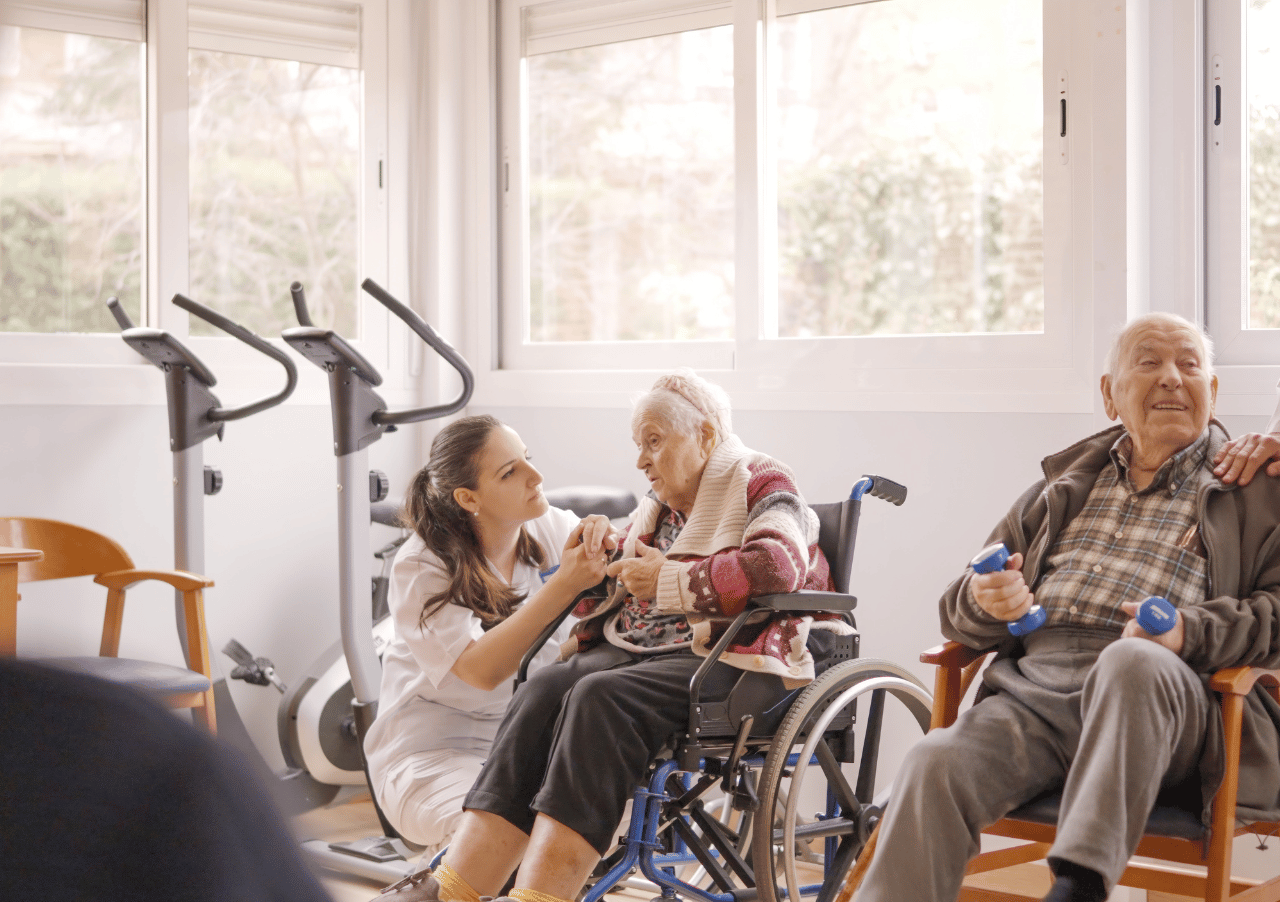
At AHP Aged Care, our OTs work closely with other healthcare professionals to deliver comprehensive dementia care. We design therapy plans that consider physical health, nutrition, and social connection alongside cognitive needs, offering a holistic approach tailored to each client.
How Occupational Therapy Supports Cognitive Function
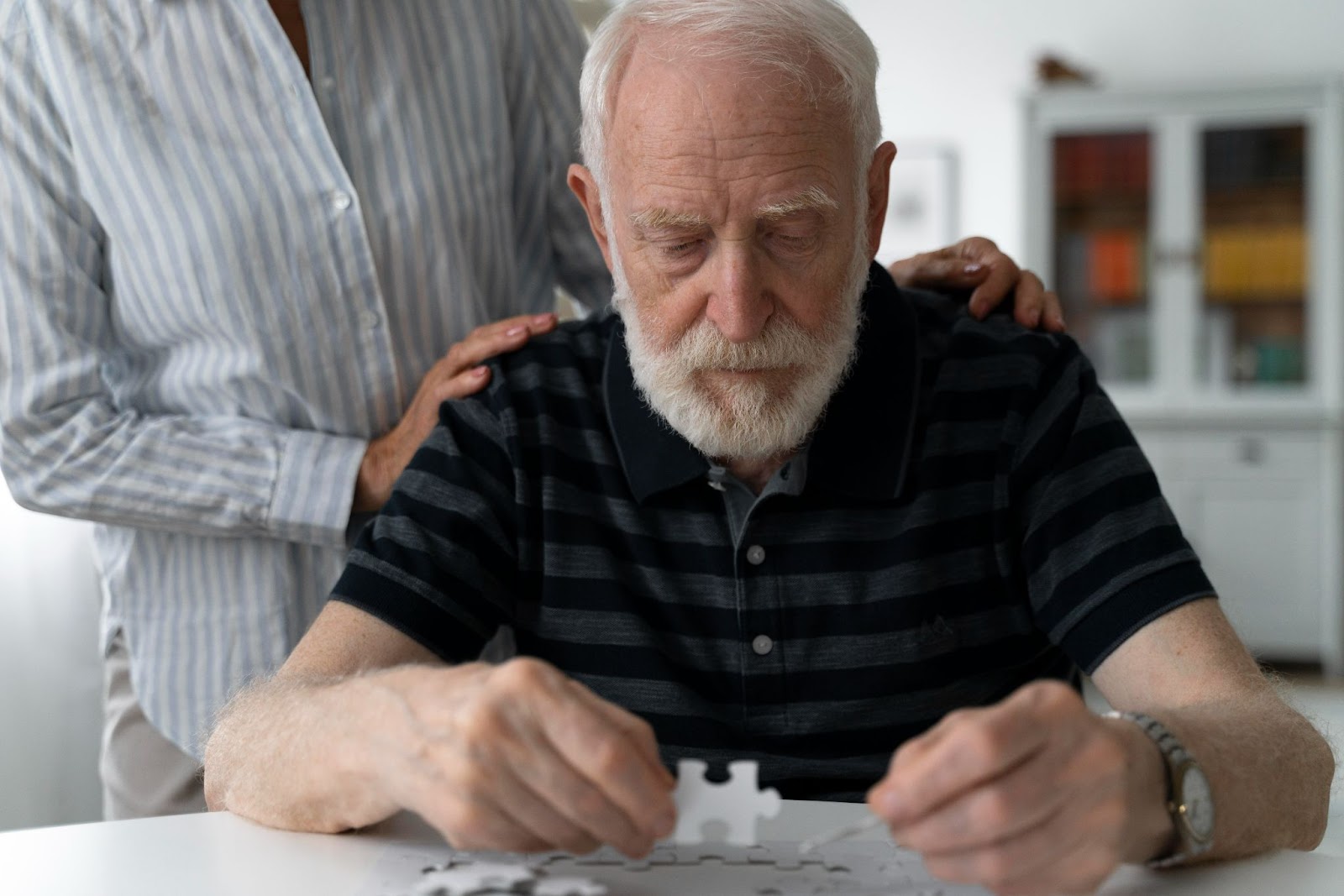
One of the key benefits of occupational therapy for dementia is its impact on cognitive function. Cognitive therapy techniques used by OTs include memory aids, structured routines, and cognitive exercises that engage the brain in meaningful ways. These interventions are designed to preserve thinking skills and help people maintain their daily functioning for longer.
For example, an OT may introduce memory strategies such as visual cues, labelled items, or calendars to assist with orientation and recall. They might also use problem-solving tasks or engage clients in activities that stimulate attention and reasoning. These approaches align with the principles of cognitive therapy, which focuses on enhancing brain function and delaying decline.
By personalising therapy to the individual’s stage of dementia, OTs help reduce frustration and confusion, improving overall well-being. This kind of support is essential, especially in early to mid-stages of dementia, where maintaining cognitive abilities can significantly influence independence.
Enhancing Safety and Daily Living Activities
Safety is a major concern for people living with dementia, especially as cognitive challenges increase. Occupational therapy for dementia plays a crucial role in assessing and adapting environments to reduce risks and promote safer living conditions.
Our occupational therapists conduct thorough home or facility assessments to identify potential hazards, such as trip risks or confusing layouts. They recommend modifications like better lighting, clear signage, or simplified spaces to make everyday tasks more manageable.
Another important focus is supporting activities of daily living (ADLs), including dressing, eating, grooming, and mobility. Dementia occupational therapy provides tailored strategies to help clients maintain as much independence as possible in these tasks. For instance, breaking down complex activities into smaller, manageable steps or using adaptive tools can make a significant difference.
Routine establishment is another technique used to improve safety and reduce anxiety. Structured daily schedules help dementia patients anticipate and prepare for activities, reducing confusion and risk. These personalised interventions can also lessen the burden on families and care staff by promoting consistency and predictability.
The Value of Dementia Occupational Therapy Services
In aged care facilities and retirement communities, integrating occupational therapy for dementia enhances the quality of care and client outcomes. At AHP Aged Care, we work collaboratively with providers to deliver specialised dementia occupational therapy as part of scalable workforce solutions. This ensures that facilities have access to the best therapeutic services tailored to their residents’ unique needs.
By incorporating OT interventions, care teams can better support cognitive health, promote safety, and encourage meaningful engagement for residents with dementia. This multidisciplinary approach is essential for managing complex care needs and improving overall well-being.
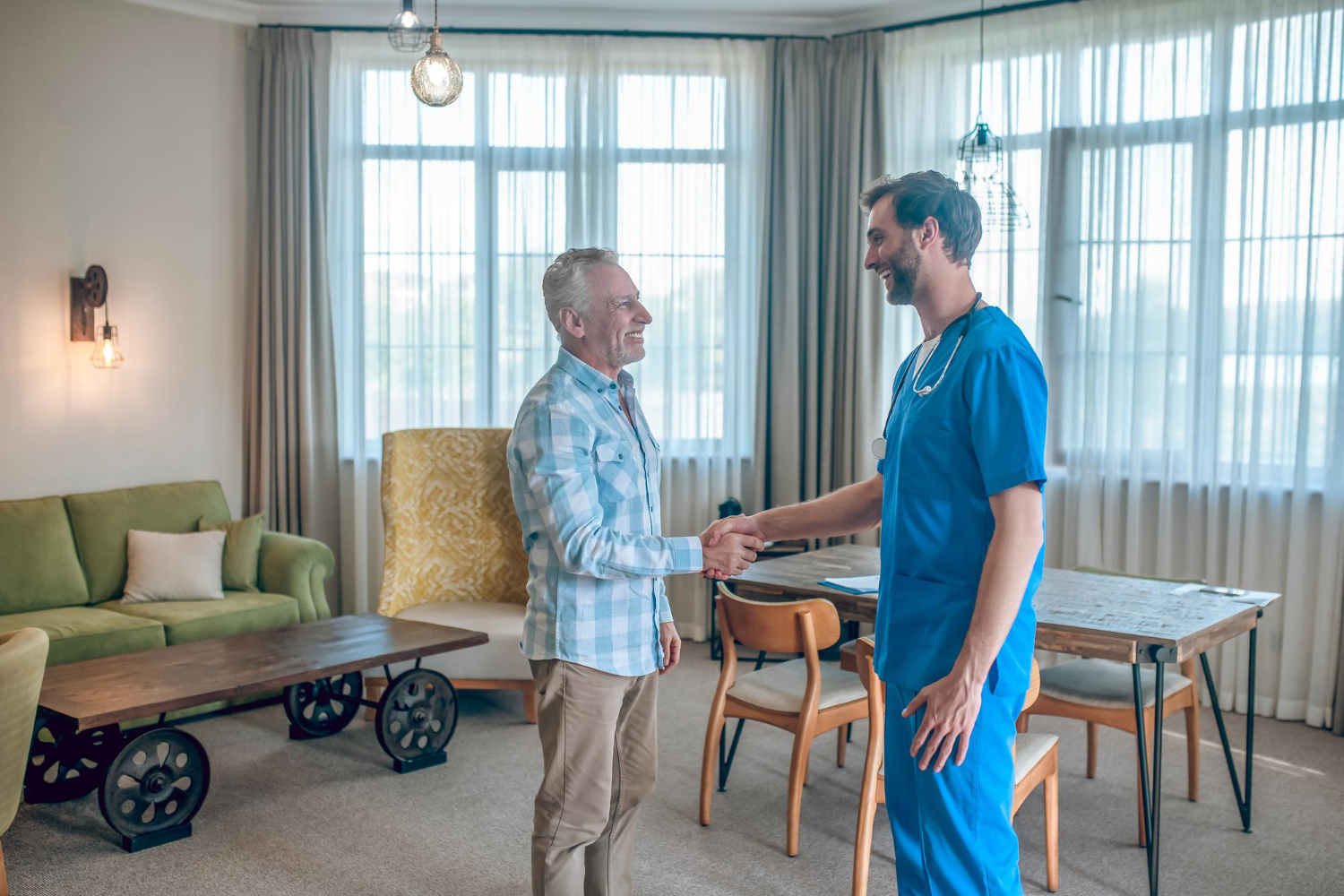
For families and care providers, professional occupational therapy for dementia provides reassurance that individuals are receiving tailored support designed to preserve their dignity and independence. Our therapy services are flexible, personalised, and responsive, making a tangible difference in clients’ lives.

Occupational therapy for dementia is a critical component of effective elderly care. By supporting cognitive function, enhancing safety, and promoting independence in daily living activities, occupational therapy helps people living with dementia maintain their quality of life. At AHP Aged Care, our team delivers specialised dementia occupational therapy services that are personalised, multidisciplinary, and focused on each client’s unique needs.
If you or a loved one is navigating dementia, understanding the role of occupational therapy can help you access the right support. For more detailed information, the Australian Government Department of Health provides best practices for dementia health care.
To explore how our occupational therapy services can support your needs, contact AHP Aged Care today.