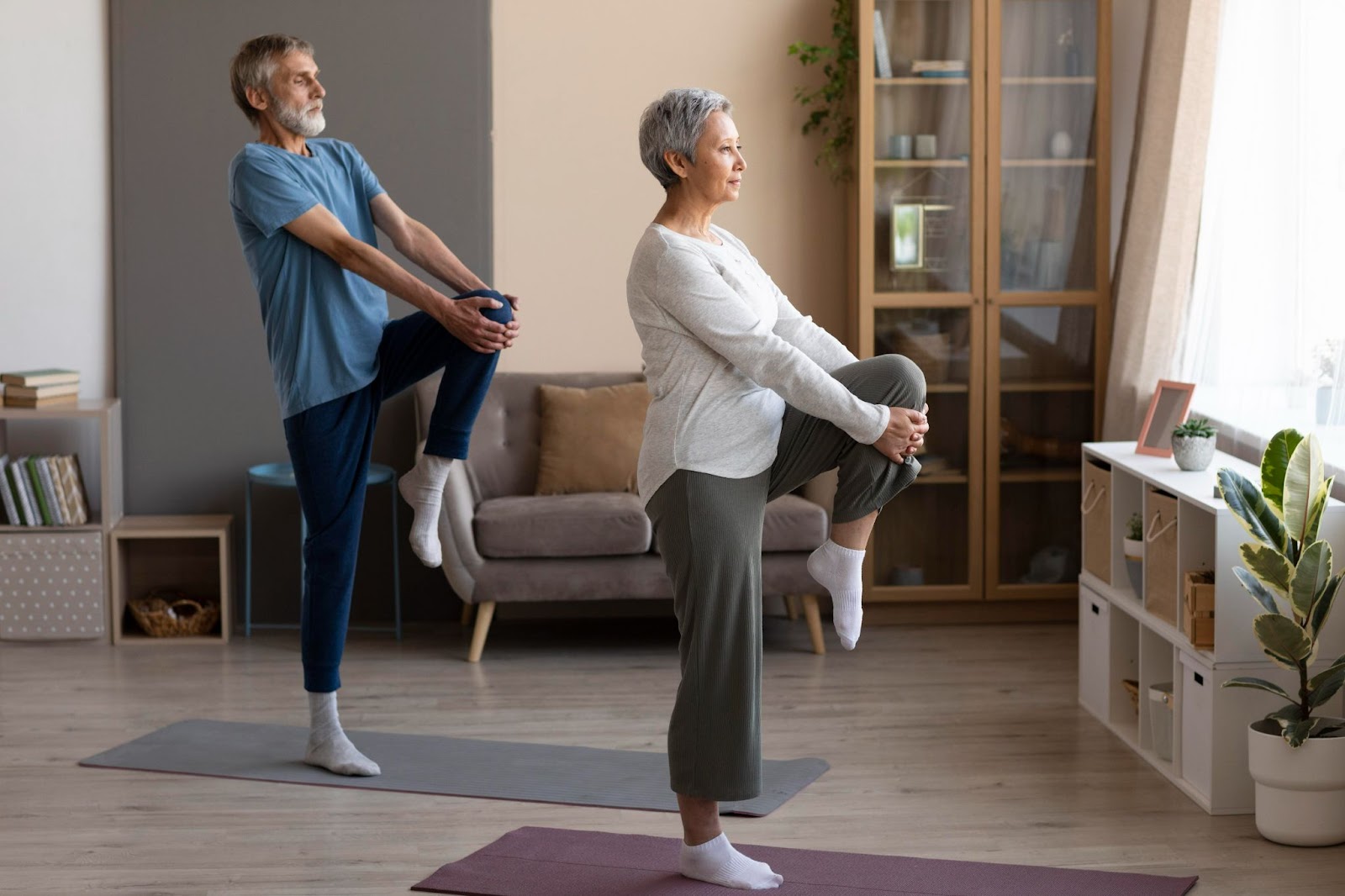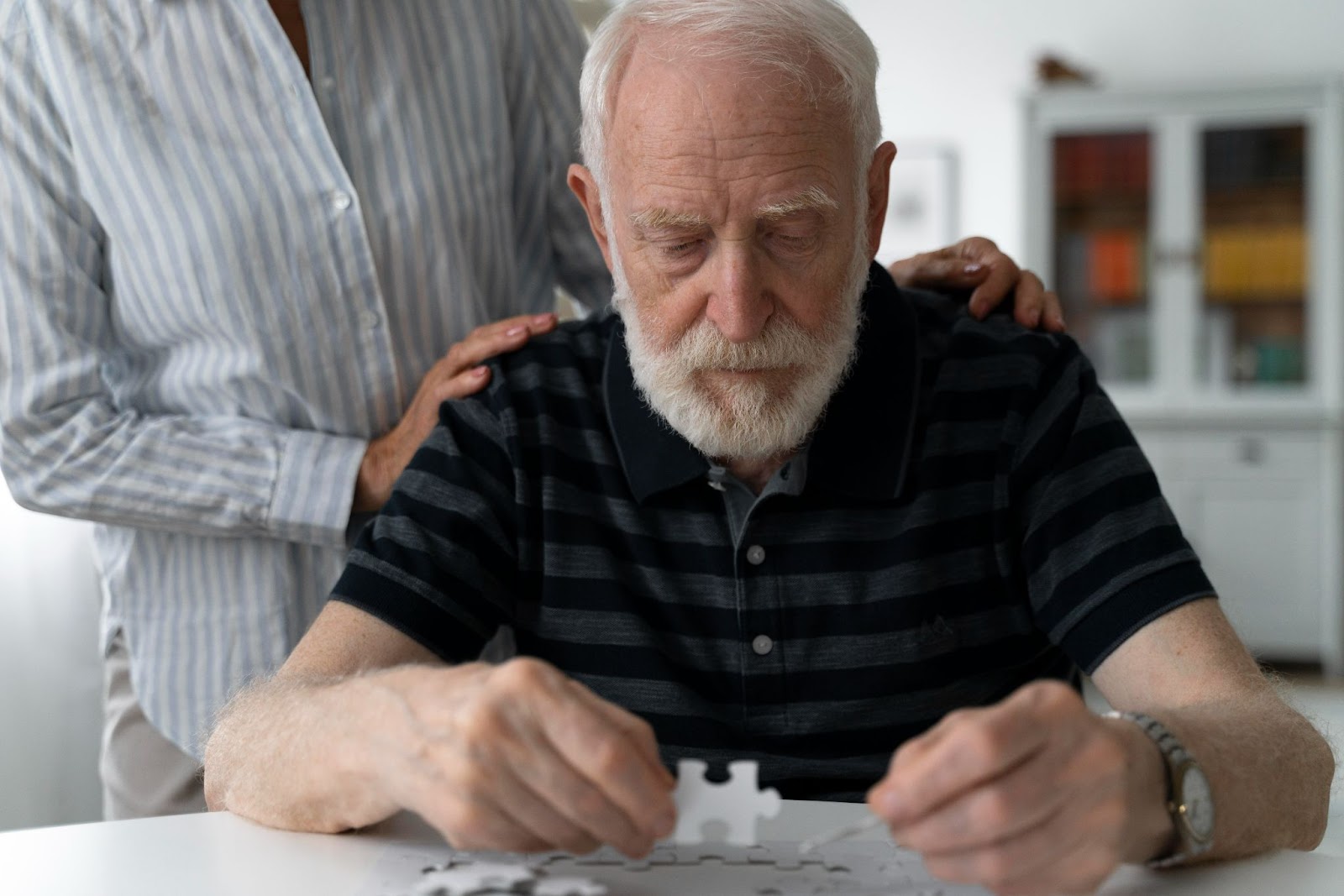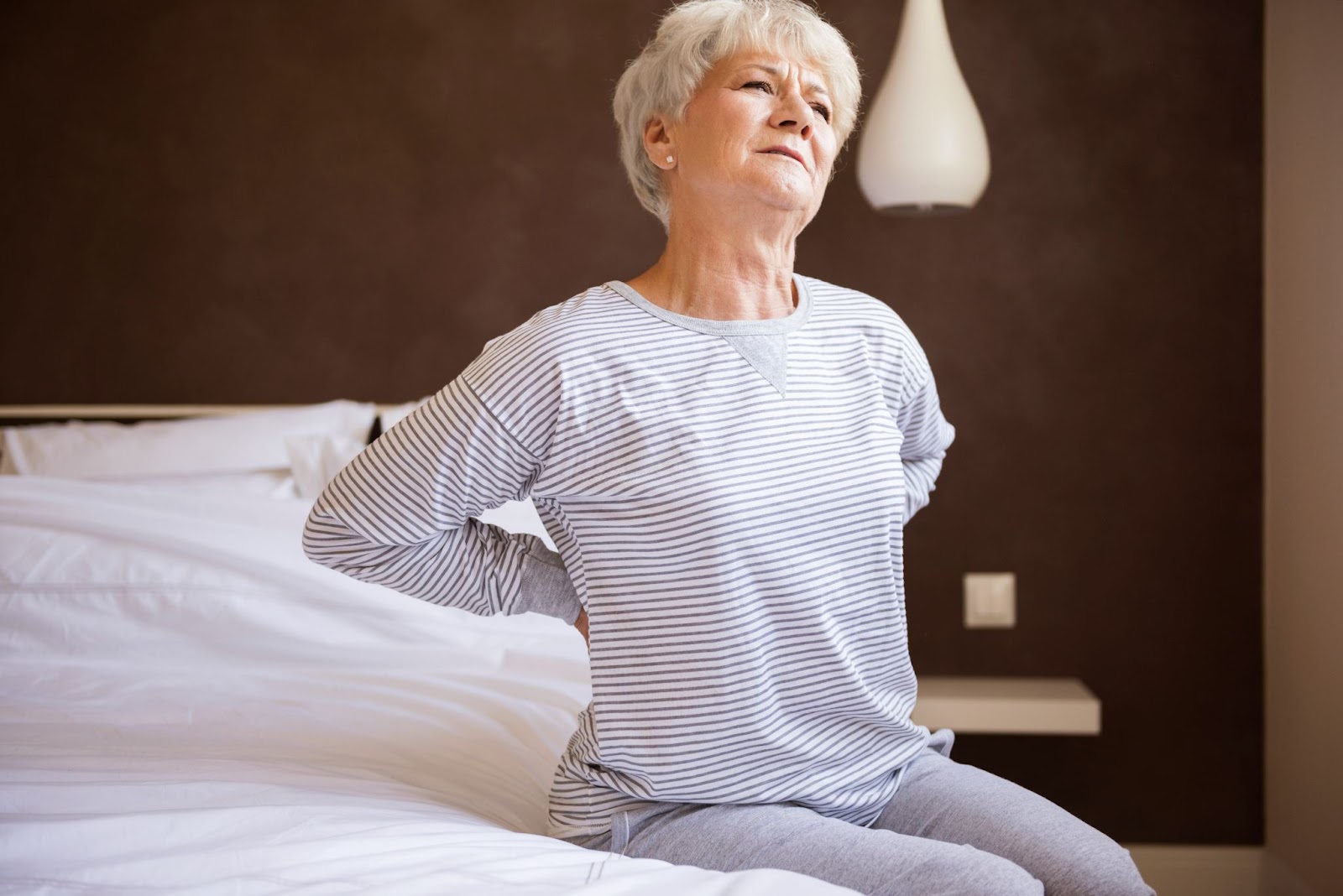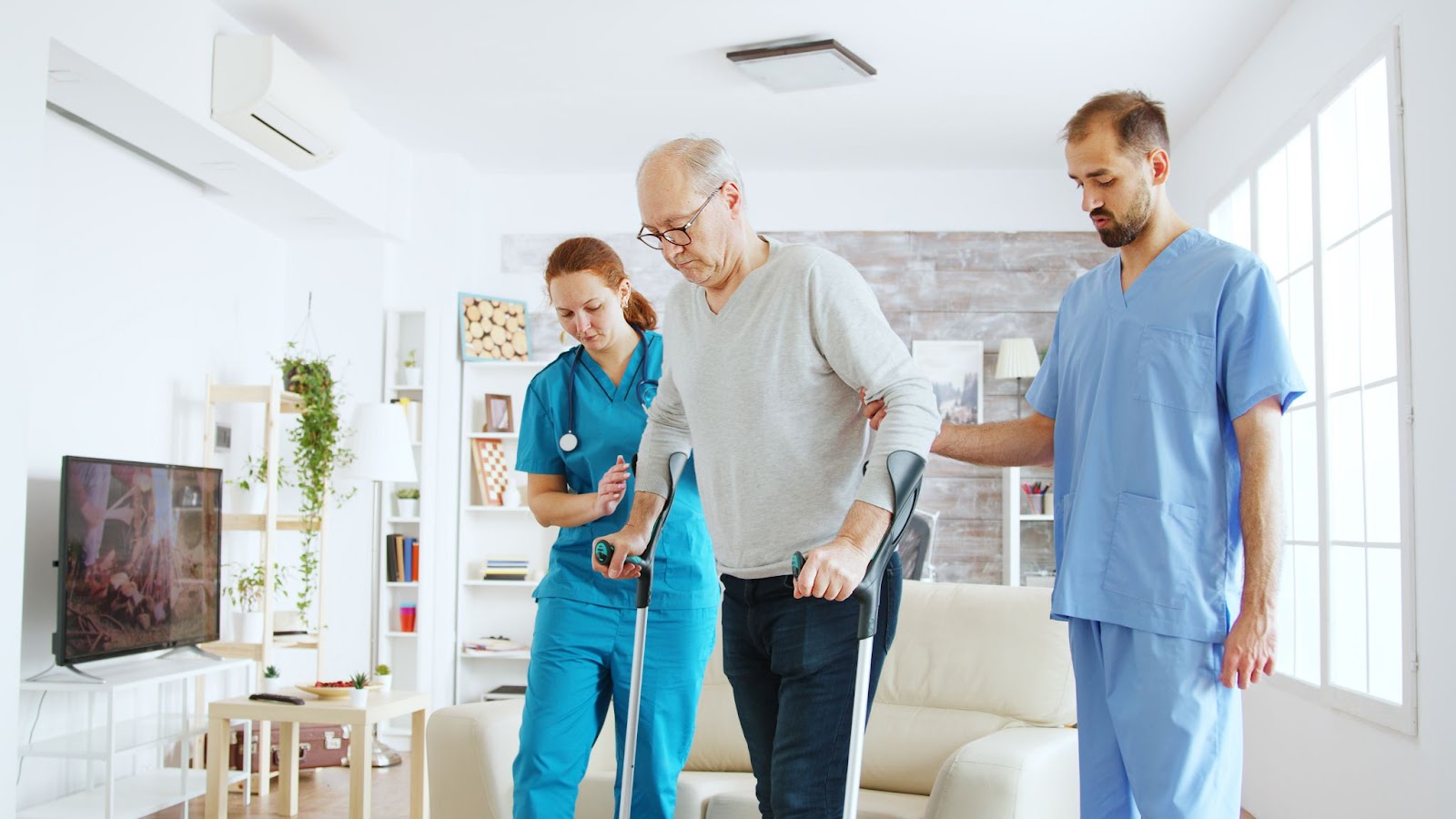
Maintaining mobility and independence is vital for the elderly, especially when living at home. Regular physical activity supports overall health, helps prevent falls, and improves quality of life. However, many seniors may feel unsure about which exercises are safe and effective to do without professional supervision. That’s why understanding the right exercises for elderly at home is essential.
At AHP Aged Care, we specialise in tailored health and support services designed to keep older Australians active and independent. This article will guide you through simple yet effective home exercises for elderly that can be done safely, along with practical tips and professional insights.
Why Exercise is Essential for the Elderly at Home
Ageing naturally brings changes such as reduced muscle strength, balance challenges, and decreased flexibility. Without regular movement, these changes can accelerate, leading to loss of independence and higher risks of falls or injury.
Engaging in exercises for elderly at home helps maintain muscle strength, joint mobility, and balance. It also supports mental well-being by reducing anxiety and improving mood. This is particularly important for those who prefer to live independently or in retirement communities, where access to professional support might be limited.
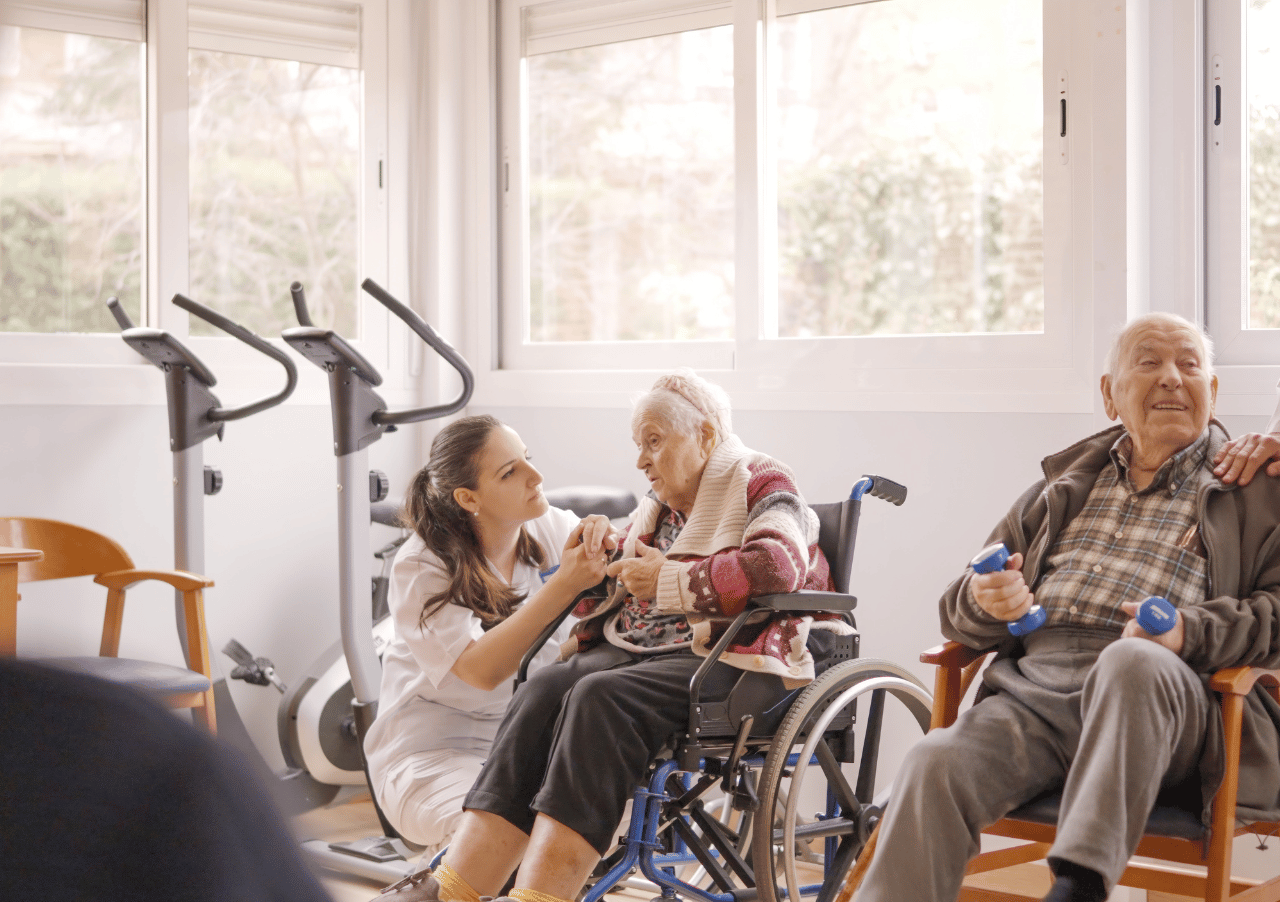
At AHP Aged Care, our multidisciplinary approach means we understand how physiotherapy, occupational therapy, and dietetics come together to create personalised care plans. These plans include appropriate physical activity that matches each individual’s health status and goals.
Incorporating home exercises for elderly into daily routines can significantly improve the ability to perform everyday tasks, making it easier to stay independent and active.
Key Considerations Before Starting Exercises
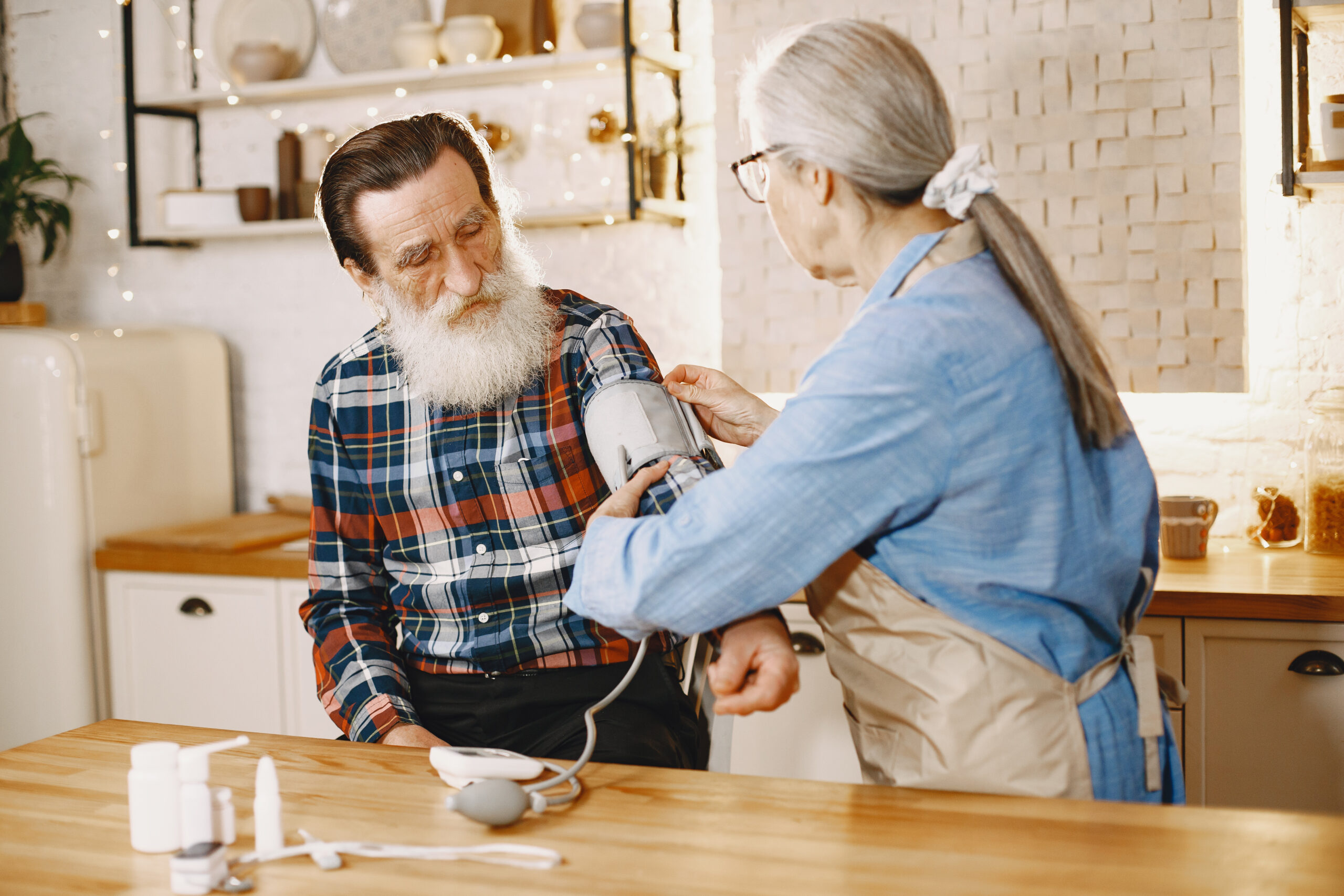
Before starting any new physical activity, safety should be the top priority. It’s crucial for seniors to get medical clearance, especially if they have existing health conditions such as arthritis, heart disease, or osteoporosis. Consulting with healthcare professionals ensures the exercises are appropriate and adapted to individual needs.
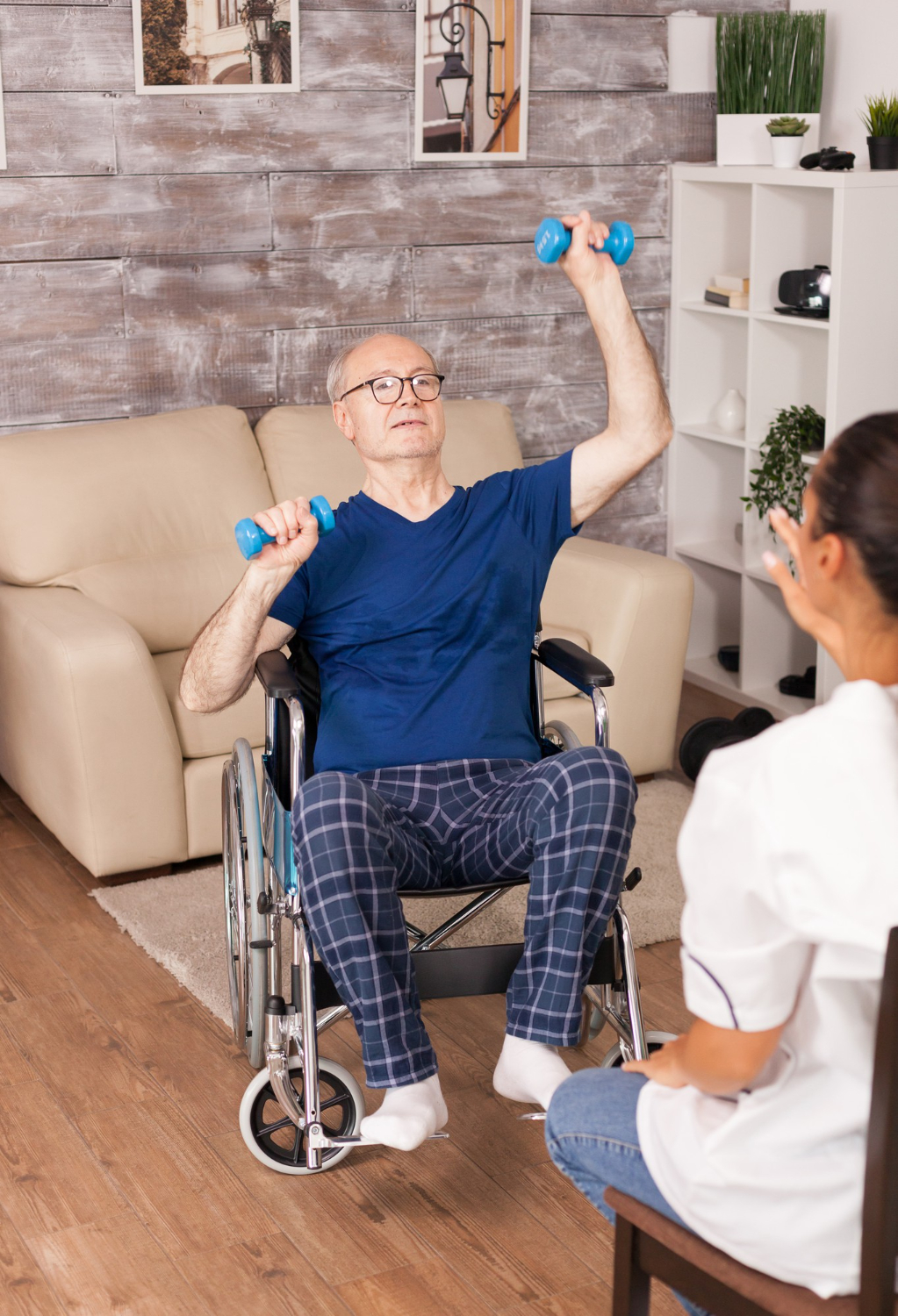
At AHP Aged Care, our team of physiotherapists and occupational therapists provide assessments and personalised exercise programs that consider each person’s capabilities and limitations. This helps reduce injury risk and maximises benefits.
When planning exercises for elderly at home, it’s also important to ensure the home environment is safe and accessible. Remove trip hazards, ensure good lighting, and use sturdy chairs or support rails if needed.
Starting with gentle movements and gradually increasing intensity or duration allows seniors to build confidence and avoid strain. Regular check-ins with healthcare providers or therapists are recommended to adjust the program as needed.
Top 8 Safe Exercises for Elderly at Home
Here are eight easy and effective exercises for elderly at home that can improve strength, flexibility, and balance without requiring special equipment:
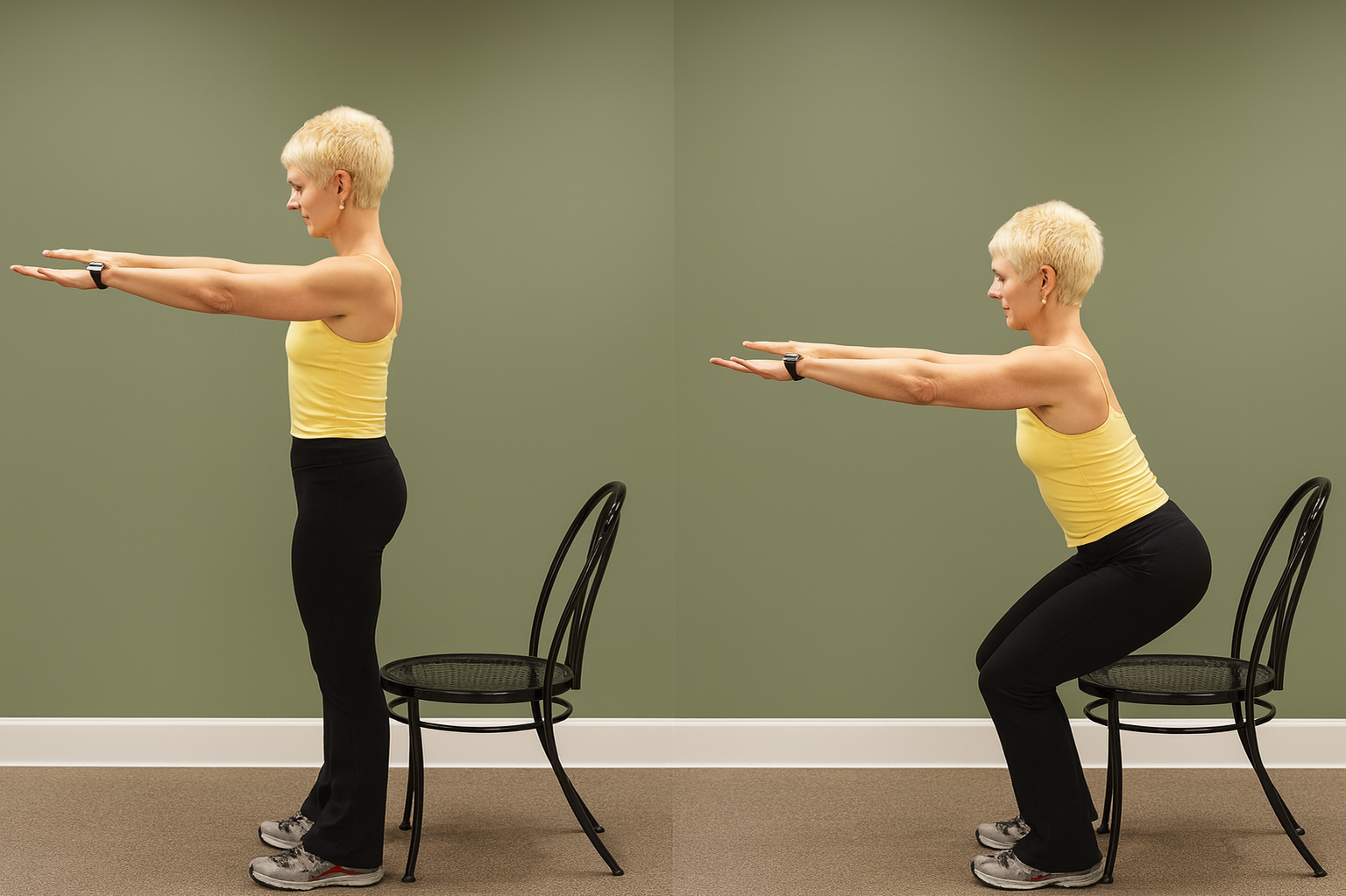
1. Chair Squats
Chair squats target the muscles in the legs and improve balance. Begin by standing in front of a sturdy chair with feet hip-width apart. Slowly lower your body as if you’re going to sit, touch the chair lightly with your bottom, then stand back up using your leg muscles rather than pushing with your hands. Repeat 10 to 15 times. This exercise strengthens thighs and glutes, which are essential for daily activities like standing up or climbing stairs.
2. Ankle Circles
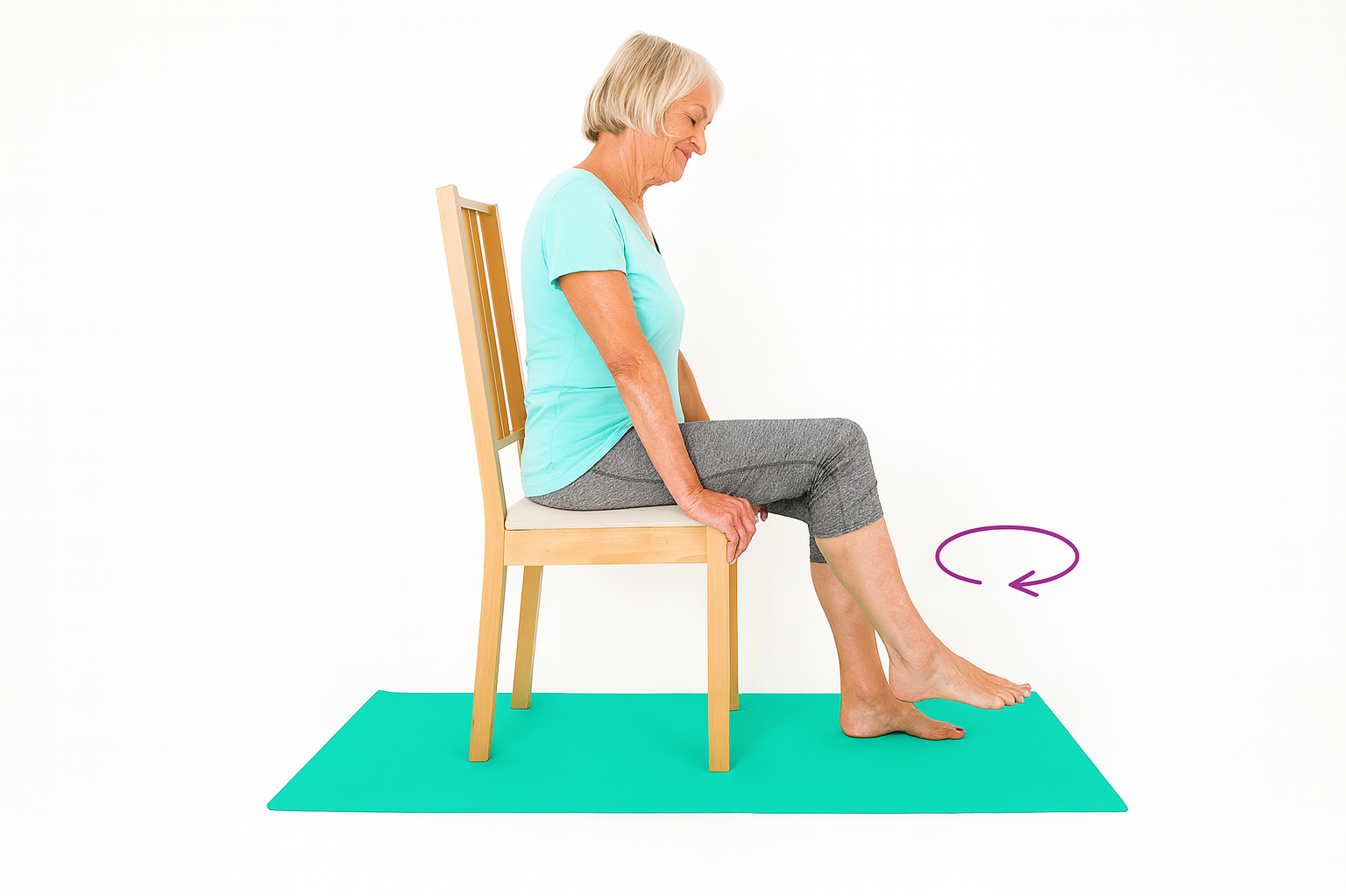
Ankle circles increase ankle flexibility and promote circulation. Sit comfortably in a chair and lift one foot off the floor. Slowly rotate your ankle in a circular motion, making 10 full circles clockwise, then 10 anticlockwise. Switch feet and repeat. Improving ankle mobility helps with balance and can reduce the risk of falls.
3. Wall Push-ups
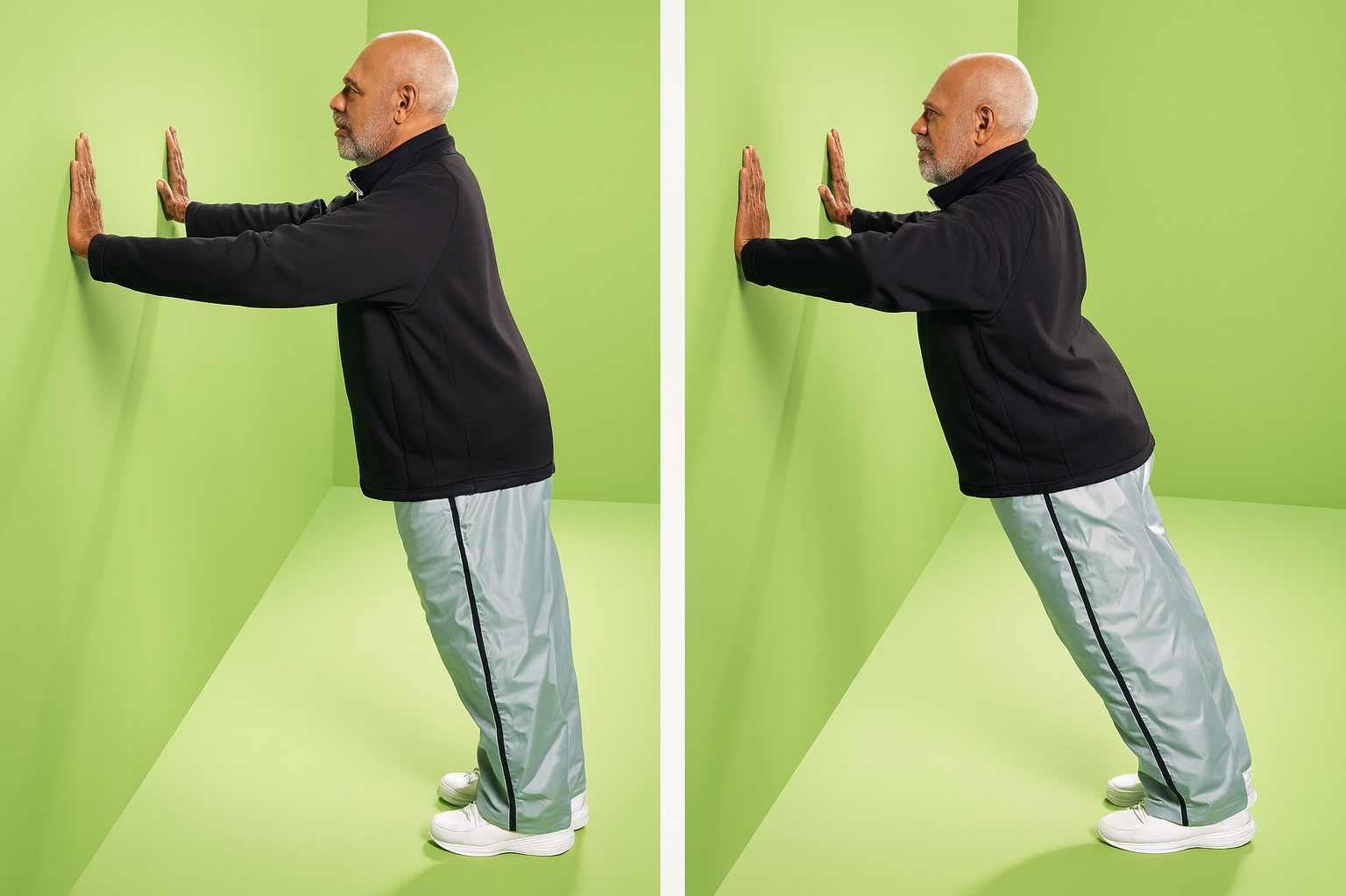
Wall push-ups build upper body strength, particularly in the arms, chest, and shoulders. Stand facing a wall about an arm’s length away, with feet shoulder-width apart. Place your palms flat on the wall at shoulder height. Bend your elbows to bring your chest towards the wall, then push back to the starting position. Aim for 10 to 15 repetitions. This exercise supports functional movements like pushing doors or getting up from a chair.
4. Seated Marching
Seated marching helps improve cardiovascular fitness and coordination. Sit upright on a sturdy chair with your feet flat on the floor. Lift one knee towards your chest, then lower it back down and repeat with the other leg. Continue alternating legs for 1 to 2 minutes. This low-impact exercise raises heart rate safely and encourages blood flow in the legs.

5. Heel Raises
Heel raises strengthen calf muscles and improve balance. Stand behind a chair or near a wall for support. Slowly rise up onto the balls of your feet, hold for a second, then lower your heels back down. Perform 10 to 15 repetitions. Strong calves assist with walking stability and reduce fall risk.

6. Shoulder Rolls
Shoulder rolls relieve tension and improve upper body mobility. Sit or stand comfortably with your back straight. Slowly roll your shoulders forward in a circular motion 10 times, then reverse the direction and roll backward 10 times. This exercise helps reduce stiffness and supports better posture.

7. Toe Taps
Toe taps increase ankle and foot strength, aiding balance and mobility. While seated, lift one foot and tap the toes on the floor repeatedly. Do 15 taps, then switch to the other foot. This simple movement enhances foot control and coordination important for walking.

8. Side Leg Raises
Side leg raises strengthen hip muscles and improve lateral balance. Stand behind a chair for support. Slowly lift one leg out to the side without bending your knee, hold for a moment, then lower it back down. Repeat 10 to 15 times on each side. Strong hip muscles help with stability and reduce the likelihood of sideways falls.

These home exercises for elderly can be done daily or every other day, depending on fitness levels. Start slow, focus on proper form, and increase repetitions or duration over time. If pain or discomfort occurs, stop and seek professional advice.
Tips for Staying Motivated and Consistent
Sticking to an exercise routine can be challenging, especially for older adults. Here are some tips to help maintain consistency with exercises for elderly at home:
- Set realistic, achievable goals, such as 10 minutes of activity per day.
- Schedule exercise at the same time daily to build a habit.
- Involve family members or carers for encouragement and companionship.
- Celebrate small achievements to boost confidence.
- Use reminders, calendars, or apps designed for seniors to track progress.
At AHP Aged Care, our support services include encouragement and guidance to keep seniors motivated. Our multidisciplinary team works with clients to overcome barriers and adapt programs when necessary.
Remember, consistency is more important than intensity. Even gentle, regular movement helps maintain independence and improves quality of life.
When to Seek Professional Help
While many exercises for elderly at home are safe to do independently, certain signs indicate it’s time to consult professionals:
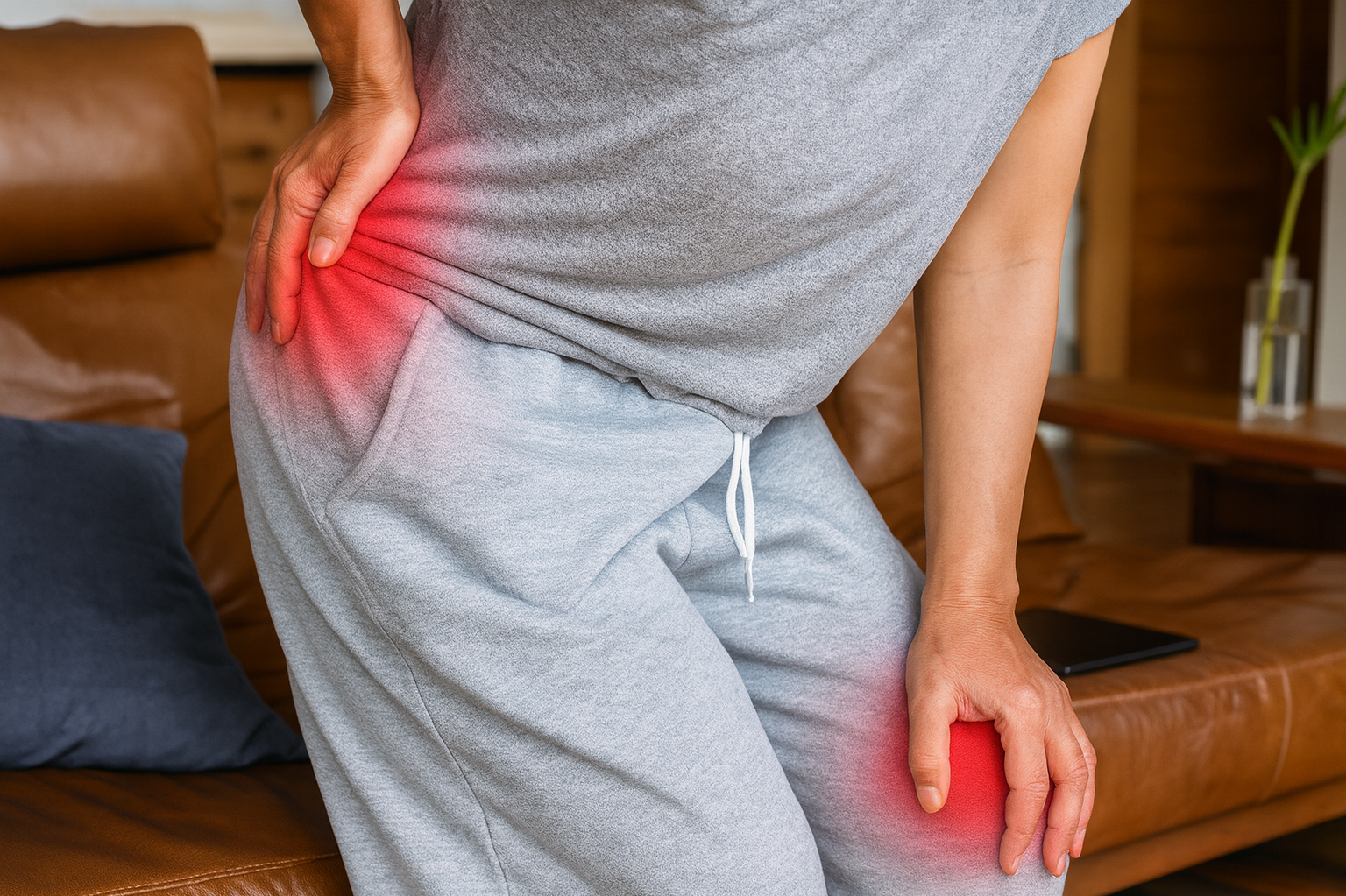
- Persistent or worsening pain during or after exercise
- Significant balance issues or fear of falling
- Medical conditions that require specialised exercise modifications
- Difficulty performing daily activities despite exercise efforts
AHP Aged Care offers comprehensive assessments and personalised therapy services to address these challenges. Our experienced physiotherapists and occupational therapists tailor programs to individual needs, ensuring safety and effectiveness.
For guidance aligned with national health recommendations, seniors can refer to the physical activity guidelines for older Australians. These guidelines emphasise the importance of regular movement and balance exercises to reduce fall risk.
Incorporating exercises for elderly at home is a practical and effective way to support mobility, strength, and independence. Simple routines like chair squats, ankle circles, and wall push-ups can make a significant difference when done consistently and safely.
AHP Aged Care understands the unique needs of older Australians and offers personalised, multidisciplinary support to help seniors stay active in their homes. If you or a loved one need tailored guidance or professional therapy, contact us to learn how we can assist.