Dementia is one of the most common conditions affecting older Australians, presenting unique challenges that require specialised care and support. Providing quality dementia aged care is essential to maintain the health, dignity, and independence of those living with cognitive decline. Whether individuals live independently, in retirement communities, or within aged care facilities, tailored approaches to dementia care make a significant difference in their quality of life.
At AHP Aged Care, we understand the importance of personalised, multidisciplinary care for people living with dementia. This article explores the best practices in dementia aged care, covering the challenges of cognitive decline, the value of personalised routines, creating dementia-friendly environments, and the role of trained staff. We also discuss why family involvement is crucial and offer guidance on recognising when specialised dementia support is needed.
Understanding the Challenges of Cognitive Decline in Dementia Aged Care
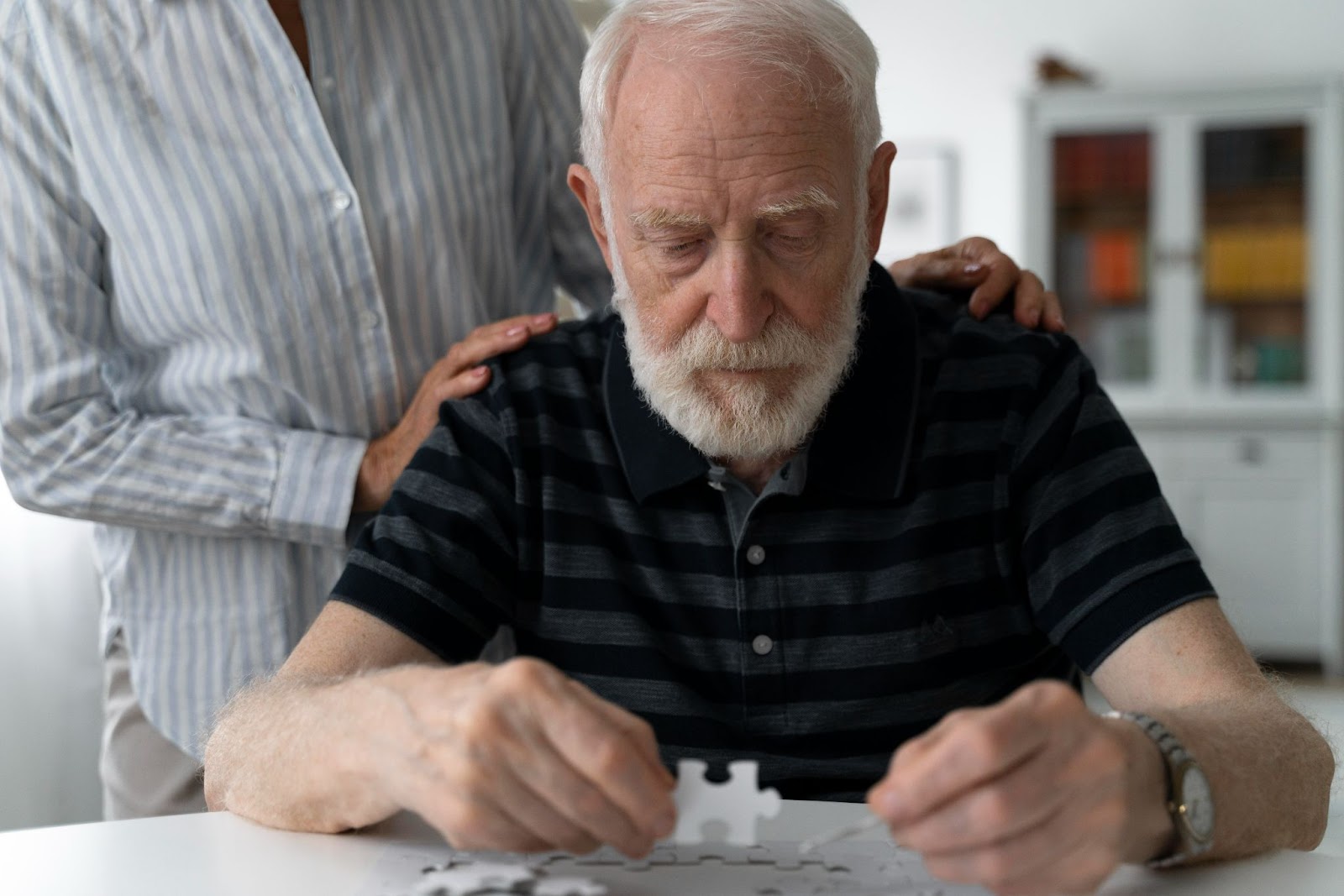
Cognitive decline in dementia affects memory, reasoning, communication, and behaviour. This decline can cause confusion, frustration, and anxiety, making everyday activities increasingly difficult. In dementia aged care, recognising these challenges is the first step to providing effective support.
Individuals with dementia often experience fluctuating abilities; some days they may remember tasks and people clearly, while on other days, they might struggle to communicate. This variability means care approaches must be flexible and responsive to each person’s current state. Without appropriate support, cognitive decline can lead to social isolation, reduced independence, and increased health risks.
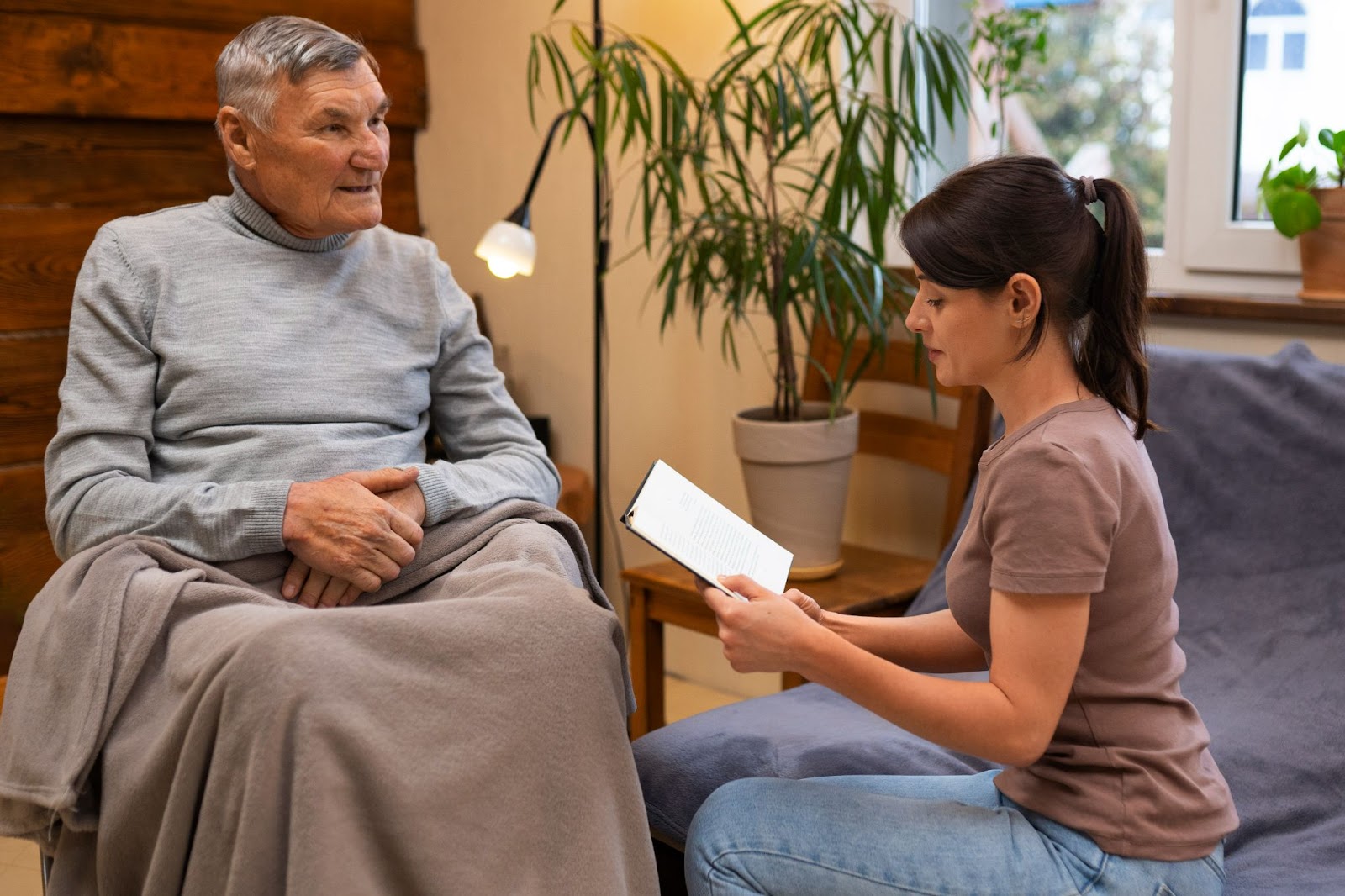
Quality dementia care services focus on understanding these cognitive changes and adapting care plans to meet evolving needs. This approach helps reduce distress and promotes comfort, safety, and engagement.
Personalised Routines – The Cornerstone of Dementia Care
One of the most effective strategies in dementia aged care is establishing personalised routines. Familiar daily patterns provide structure and security for people with dementia, helping to reduce confusion and anxiety. Personalised routines are designed around an individual’s preferences, history, and abilities.
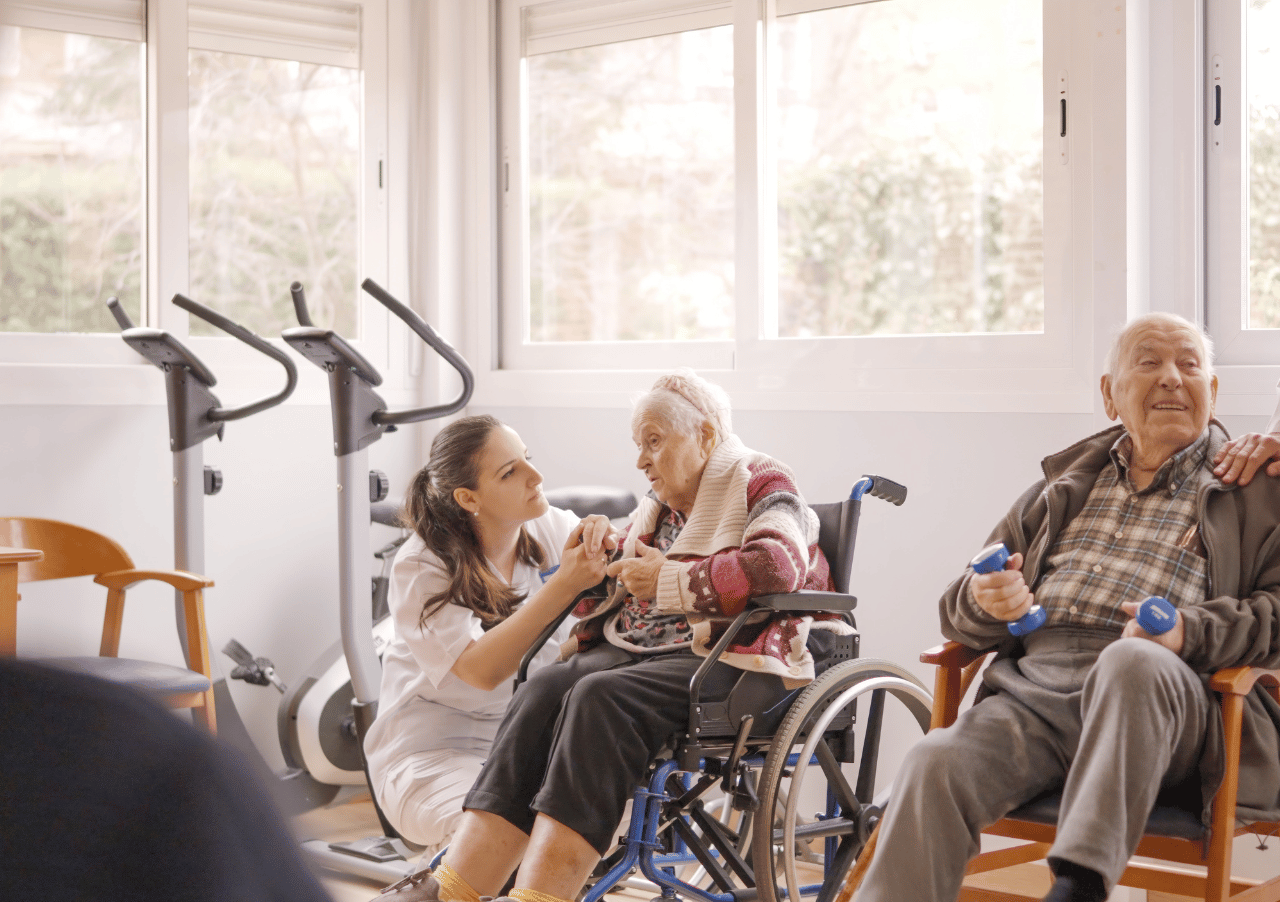
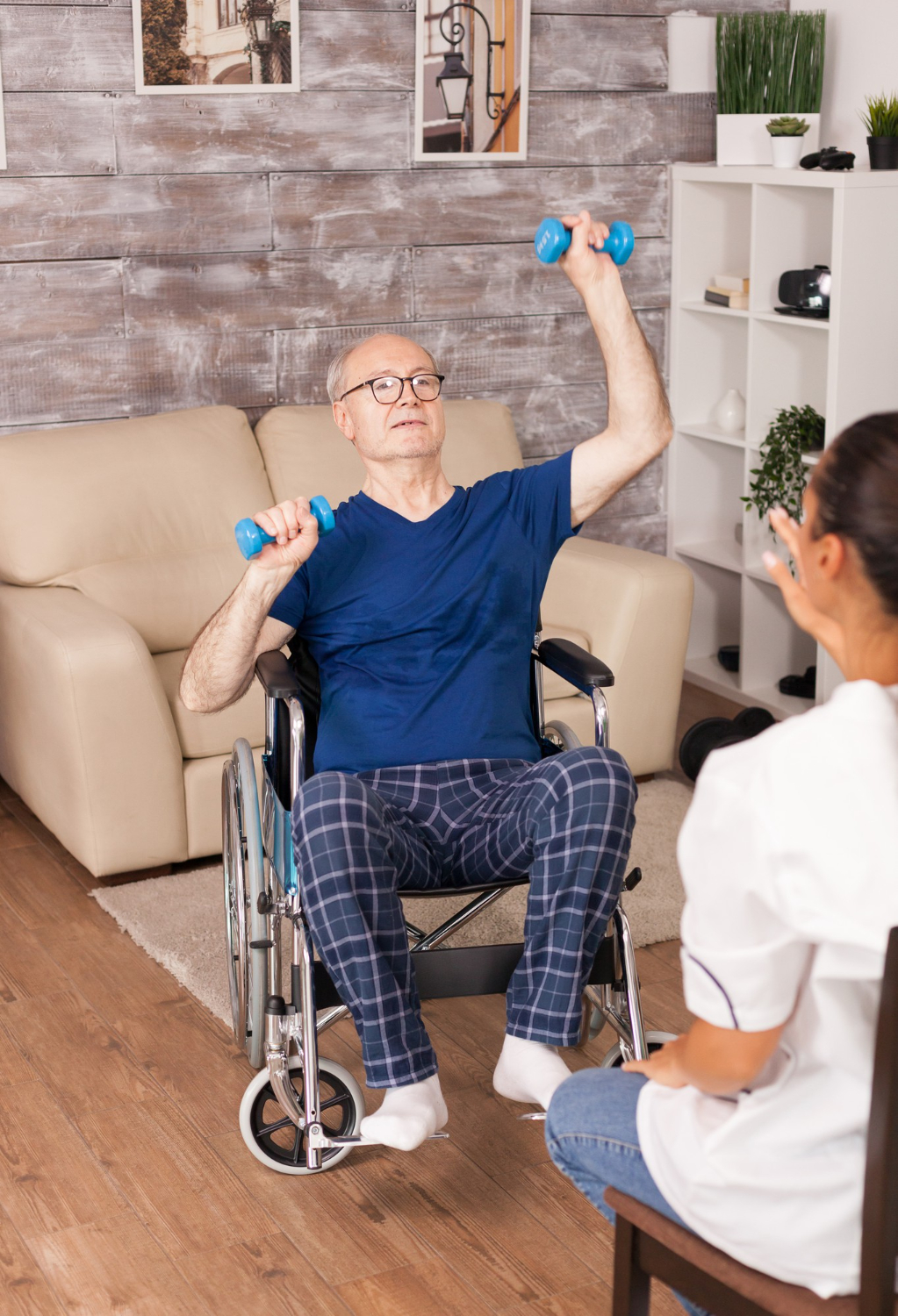
For example, incorporating activities that a person has always enjoyed, such as gardening, music, or light exercise, can support cognitive stimulation and emotional well-being. At AHP Aged Care, our multidisciplinary team, including physiotherapists and occupational therapists, work together to design these tailored routines. They help maintain mobility, encourage social interaction, and foster a sense of achievement.
Personalised routines also extend to meal times, medication schedules, and rest periods, all adapted to each person’s unique rhythm. This individual focus is what sets exceptional dementia aged care apart from generic care.
Creating Dementia-Friendly Environments
The physical environment plays a crucial role in supporting people living with dementia. Dementia-friendly environments reduce confusion and enhance safety, allowing individuals to navigate spaces with greater ease.
Key elements of a dementia-friendly setting include clear signage, good lighting, non-slip flooring, and minimising clutter or loud noises that can cause agitation. Comfortable, calming spaces with familiar objects help reduce anxiety. Outdoor areas with secure gardens also provide opportunities for safe exercise and sensory engagement.
For aged care providers, designing spaces that consider these factors improves the daily experience of residents with dementia. It can also lessen the burden on carers by minimising accidents and behavioural issues. AHP Aged Care collaborates with facilities to implement these environmental improvements, aligning with best practices in dementia aged care.
The Role of Trained Staff in Dementia Aged Care
Providing high-quality dementia aged care requires staff trained in the specific needs and behaviours associated with cognitive decline. Understanding dementia’s impact on communication, mood, and physical health is essential for delivering compassionate and effective care.
Specialised training equips carers and therapists with skills in behaviour management, personalised care planning, and safe mobility support. It also fosters empathy and patience, which are critical in building trust with individuals who may be confused or fearful.
AHP Aged Care supports aged care providers by supplying trained professionals, including physiotherapists, dietitians, speech pathologists and occupational therapists, to deliver specialised therapy services. This multidisciplinary approach addresses physical health, nutrition, and daily living skills, each vital to comprehensive dementia aged care.
Family Involvement in Dementia Care Decisions
Involving family members in dementia care is fundamental. Families often provide invaluable insights into the individual’s history, preferences, and personality, which helps personalise care approaches.
Open communication between care staff and families ensures everyone is aligned on care goals and any changes in health or behaviour. It also supports families emotionally, offering reassurance that their loved one is receiving attentive, specialised support.
Family members can participate in care planning meetings, help maintain social connections, and contribute to creating personalised routines. Encouraging this collaboration strengthens the care network around the person with dementia, enhancing outcomes and well-being.
Recognising When to Seek Specialised Dementia Support
Early recognition of dementia symptoms can lead to timely intervention, which may slow progression and improve quality of life. Families should watch for signs such as memory loss affecting daily tasks, difficulty with language, disorientation, mood changes, or withdrawal from social activities.
As dementia advances, specialised care becomes increasingly necessary. This might mean accessing dedicated dementia care units within aged care facilities or arranging community-based support services tailored to dementia.
Understanding when to transition to specialised dementia support can be challenging. Consulting with healthcare professionals experienced in dementia aged care can provide guidance. AHP Aged Care provides guidance and customised solutions to assist families and aged care providers in making informed decisions.
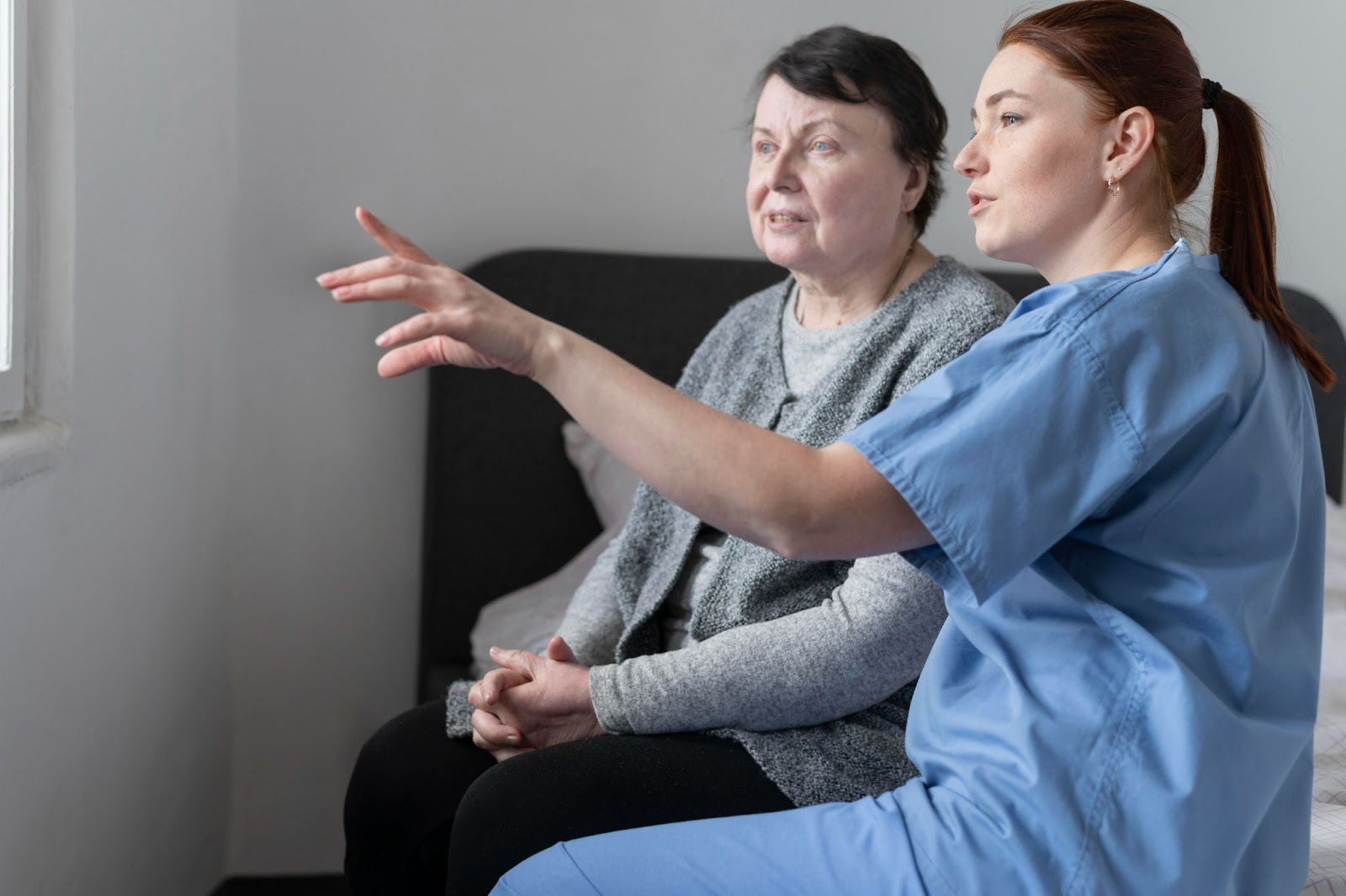
Providing the right care environment, skilled staff, personalised routines, and family collaboration are all key to effective dementia aged care. By focusing on these best practices, aged care providers and families can support individuals with dementia to live with dignity, comfort, and as much independence as possible.
For those looking to understand the standards of care, following dementia care guidelines recommended by health authorities ensures individuals receive safe and effective support tailored to their cognitive needs. The Australian Government’s Department of Health provides detailed dementia care guidelines that align with these best practices.
If you are seeking specialised dementia care services or workforce solutions designed to support people living with dementia, contact AHP Aged Care. Our team is dedicated to delivering personalised, high-quality care that makes a real difference.